How to choose between a verticalizer and a lift: Buying Guide and Tips
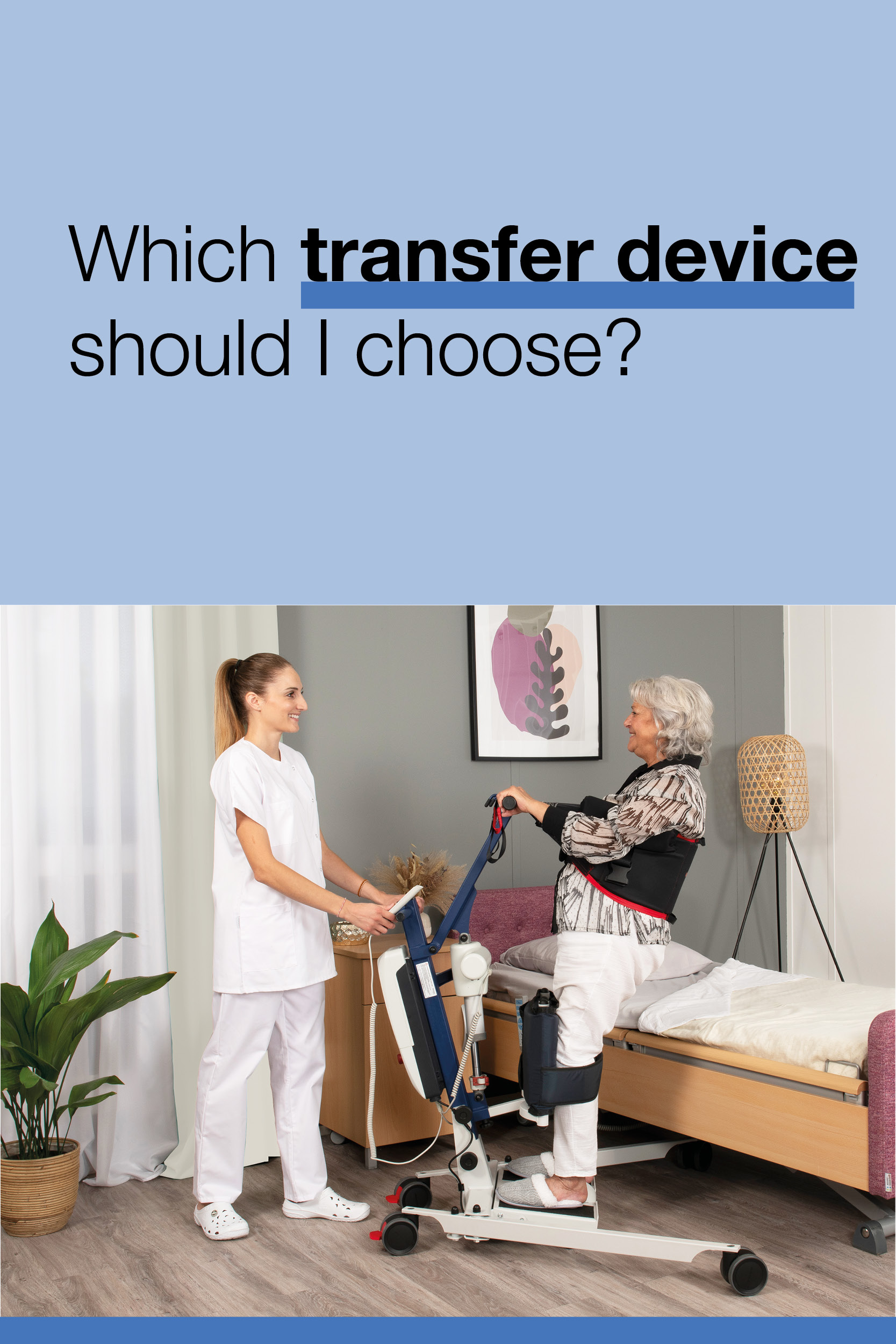
Transfer devices, such as verticalizers and lifts, play a crucial role in the safety and comfort of patients during transfers. Whether it is to help a person move from bed to chair, to get up or to move around, these facilities are essential for home care or health care. Choosing the right device is essential to ensure optimal support.
In this article, we will help you choose between verticalizer and one lift, while guiding you in choosing the models most suited to your environment and patient needs.
The verticalizer: ideal for rehabilitation and autonomy
What is a verticalizer ?
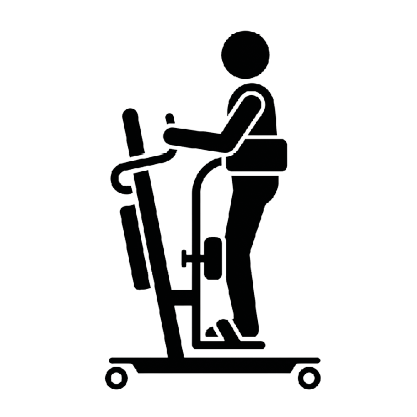
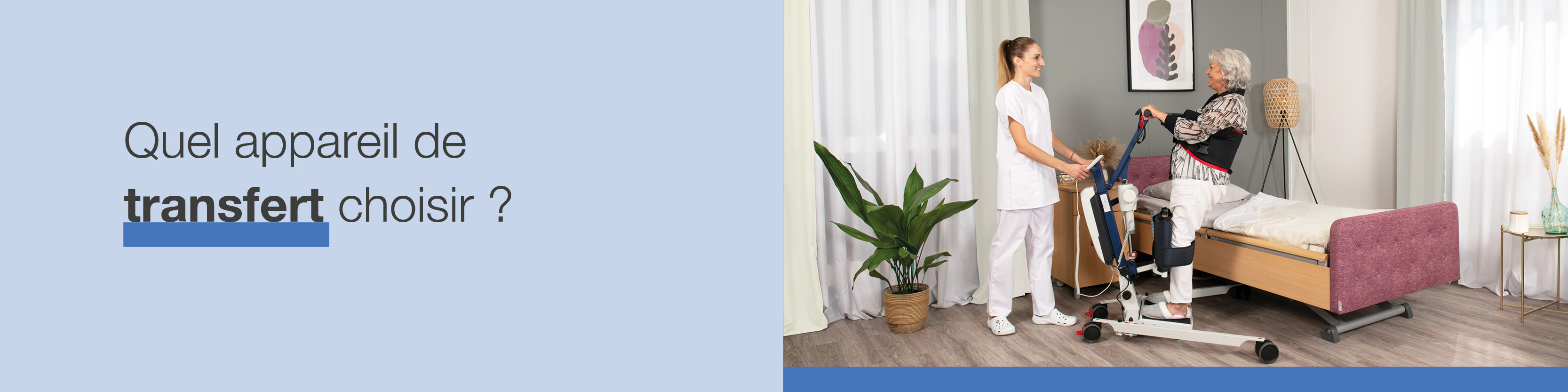
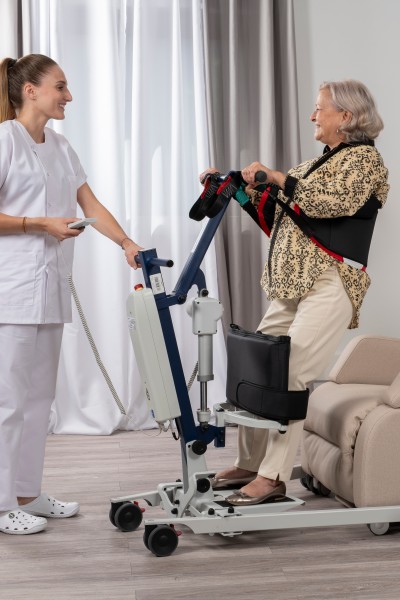
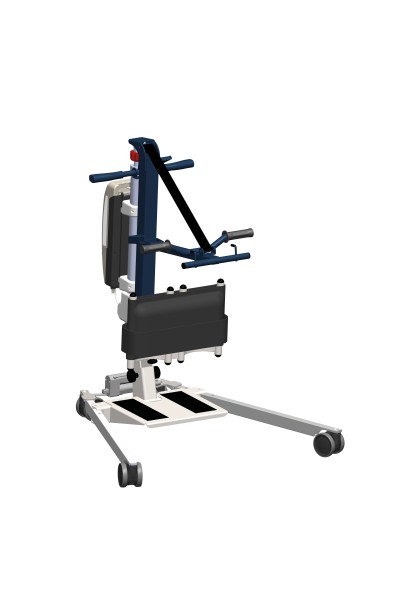
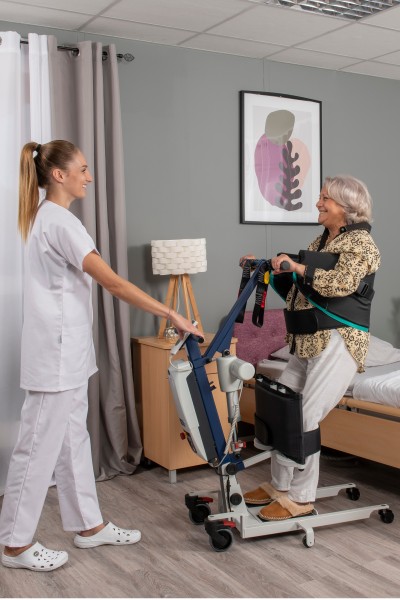
One verticalizer is a device designed to help people with partial or reduced mobility to stand up. This device keeps the patient in a semi-seated or vertical position, while providing full body support. It is particularly useful for patients in rehabilitation or those who must remain standing for a prolonged period of time.
How to choose a verticalizer ?
The choice of a verticalizer depends on several criteria. Key elements to consider include:
1. Chassis type selection: fixed or foot gauge (ECP)
The chassis type is a key element for choosing an environment-friendly verticalizer. Here's what you need to know:
- Fixed chassis : It is a simple and stable model, usually more suitable for environments with few space constraints, like a bedroom where the armchair is close to the bed.
- Foot gauge chassis (PFC) : This model is designed for smaller spaces. It allows for greater flexibility, especially for transfers to the wheelchair. An ECP chassis is therefore ideal for an environment where the seats are wider or when access to the patient requires greater mobility of the device.
Example If the patient is to be transferred regularly from the bed to a chair, an ECP chassis may be required to facilitate passage.
2. Patient weight and morphology
It is crucial to choose a verticalizer based on the weight and size of the patient. Some verticalizers are designed for heavier patients, while others are lighter and suitable for smaller patients.
The lift: a valuable help for full transfers
What is a lift ?
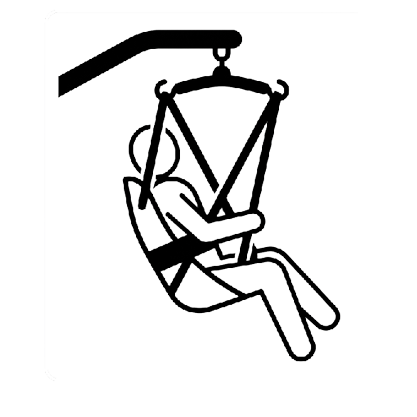
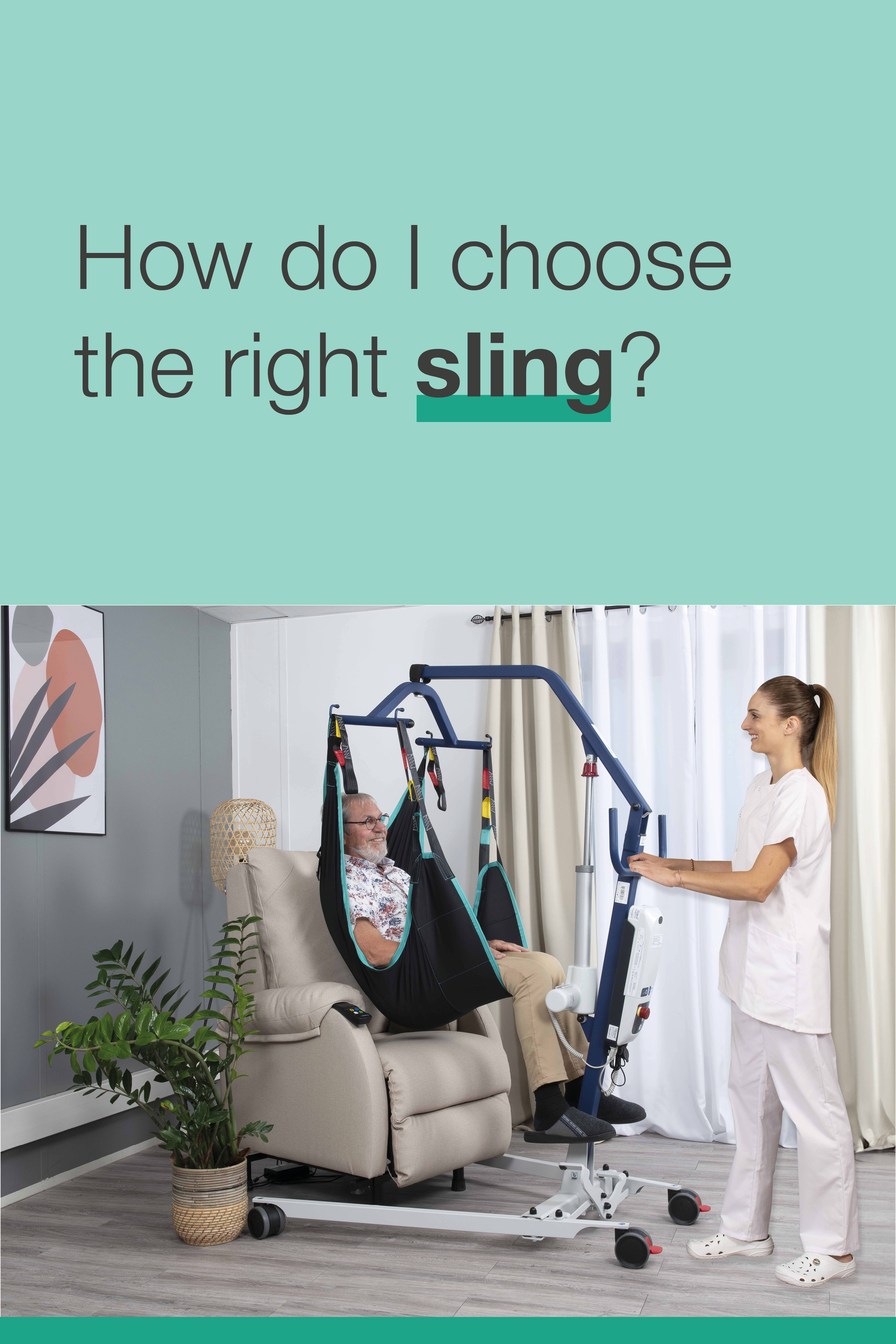
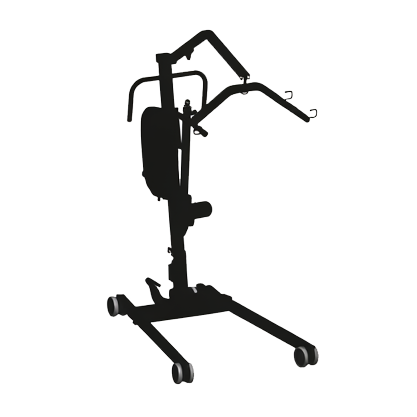
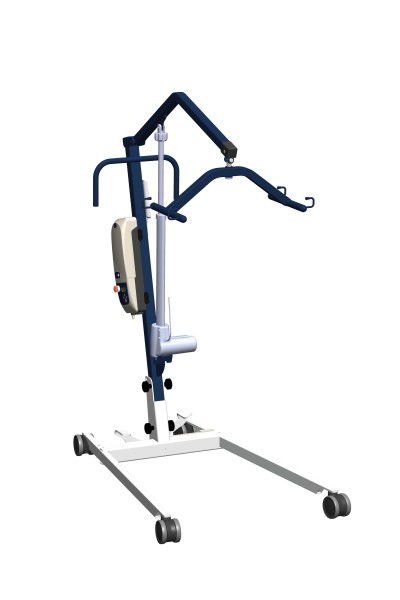
The lift is a device that allows a patient to be lifted safely and transferred from one place to another, such as from bed to chair or from chair to toilet. Unlike the verticalizer, which helps to put in a standing position, the lift lifts the patient without having to actively participate in the movement.
How to choose a lift ?
The choice of lift also depends on several factors:
1. Standard or compact model ?
The size and space available in the living environment play an important role in this choice:
- Standard model This model is ideal for larger spaces where there is no space constraint. It generally offers more robustness and can support patients with a higher weight.
- Compact model : This model is more suitable for restricted spaces, as in a small room or in an apartment where the mobility of the device must be facilitated. It is also lighter and easier to manoeuvre in narrow spaces.
Example : If you live in a small apartment and space is limited, a compact model would be more convenient, while a standard model would be recommended for larger spaces.
2. Patient morphology
The lifts are available in different sizes and load capacities. It is important to check that the device can support the patient's weight and adapt to its morphology. Some lifts are specially designed for overweight or special needs people.
Help with your choice: find the right equipment for your needs
Here is a help table to better choose your transfer device, based on the above criteria.
| Criteria | Verticalizer (Fixed chassis) | Verticalizer (ECP chassis) | Person lift (Standard) | Person lift (Compact) |
|---|
| Type of transfer | Re-education, help with standing station | Transfer between bed and armchair | Full transfer without patient involvement | Transfer to restricted spaces |
| Environment | Room with sufficient space | Transfer to the chair, narrow environments | Wide area (hospital, nursing home) | Reduced space (apartment, small room) |
| Patient weight | Adapted to medium to high weight patients | Adapted to wheelchair patients | Variable according to model, adapted to higher weights | Lightweight model for small sizes and weight |
| Patient morphology | Patients with partial ability to stand | Patients requiring wheelchair support | All types of morphology | More suitable for small sizes and light patients |
| Device mobility | Less mobile, stable | More mobile and handy | Less mobile, often more robust | Very mobile, easy to maneuver |
Conclusion: Choose your transfer device
The verticalizer is ideal for patients with mobility, wishing to re-educate their ability to stand. It is also suitable for environments where space is sufficient to manoeuvre the device. The choice between a fixed frame or foot spacing will depend on the space and configuration of the destination chair.
The lift, for its part, is designed for patients who are totally dependent and allows full transfer without active participation of the patient. The choice between a standard or compact model will depend on the space constraints in the place of life and the patient's morphology.
Choosing the transfer device tailored to your needs will not only ensure the patient's safety, but also make the work of caregivers easier and less challenging. Do not hesitate to ask a professional for advice to make sure you make the right choice.




 The best effect you will get if you remove text and put background image