Health facilities, whether hospital, psychiatric or medical-social, accommodate patients with varying profiles, requiring appropriate and sometimes complex care. Among these cares, the question of maintenance and physical restraint arises, raising ethical, legal and medical issues.
"Maintenance" in care: a concept of safety and benevolence
The maintenance of patients in a health facility can take many forms: it can be accompaniment to ensure the safety of the patient and staff, without harming their dignity or freedom of movement. Retention is often in place in situations where the patient presents an immediate risk to himself or others.
It is essential to distinguish between maintenance and restraint. Maintenance refers to a restriction of movement, but from a care and safety perspective, without forcing total control over the patient. For example, in psychiatry, a patient in crisis can be kept in bed or in a secure space to avoid any risk of injury or self-harm. This is often done under the constant supervision of caregivers.
Maintaining is therefore never a solution in itself, but a transitional measure, justified by exceptional circumstances, in the context of a care project.
Contention: a measure to be used with caution
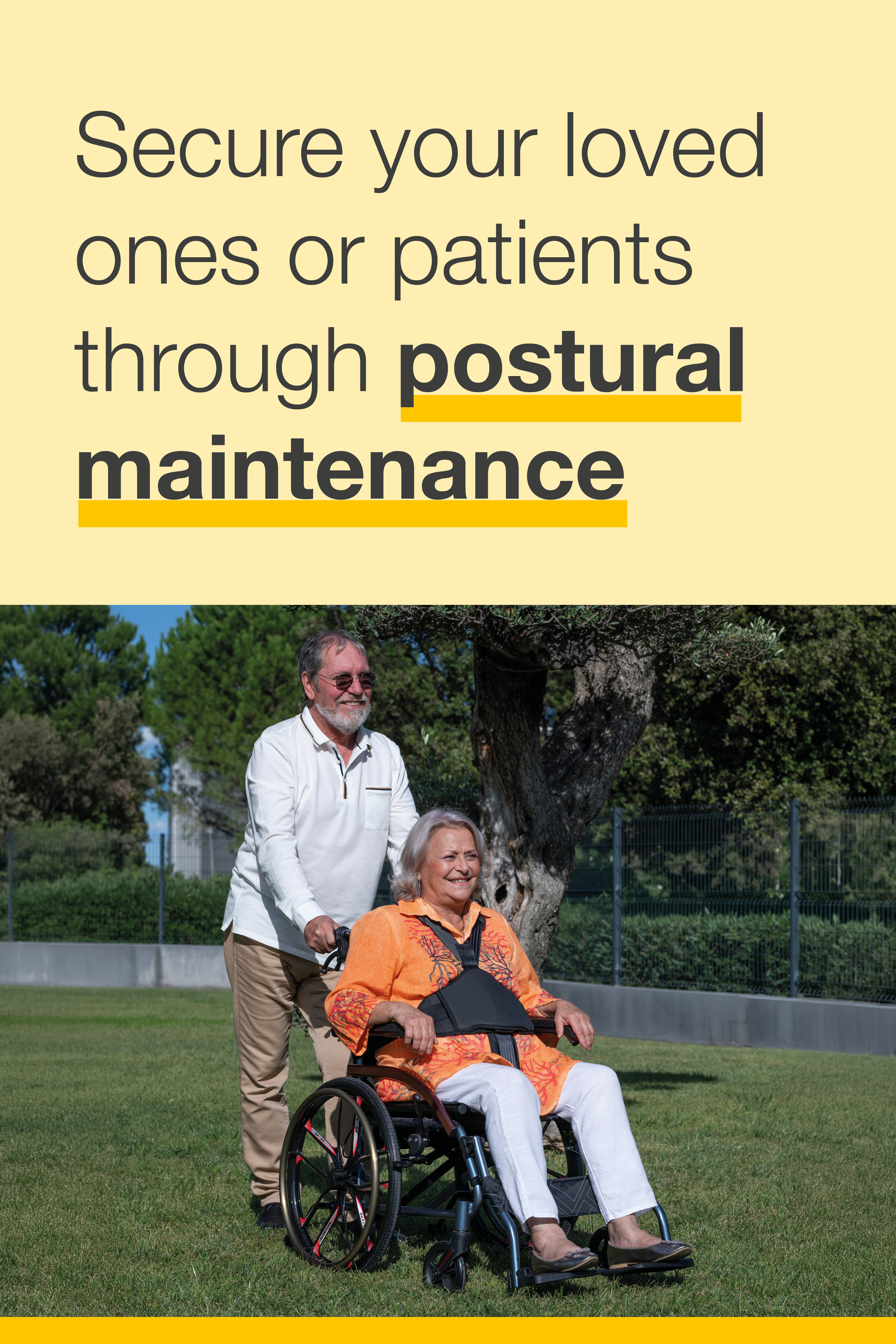
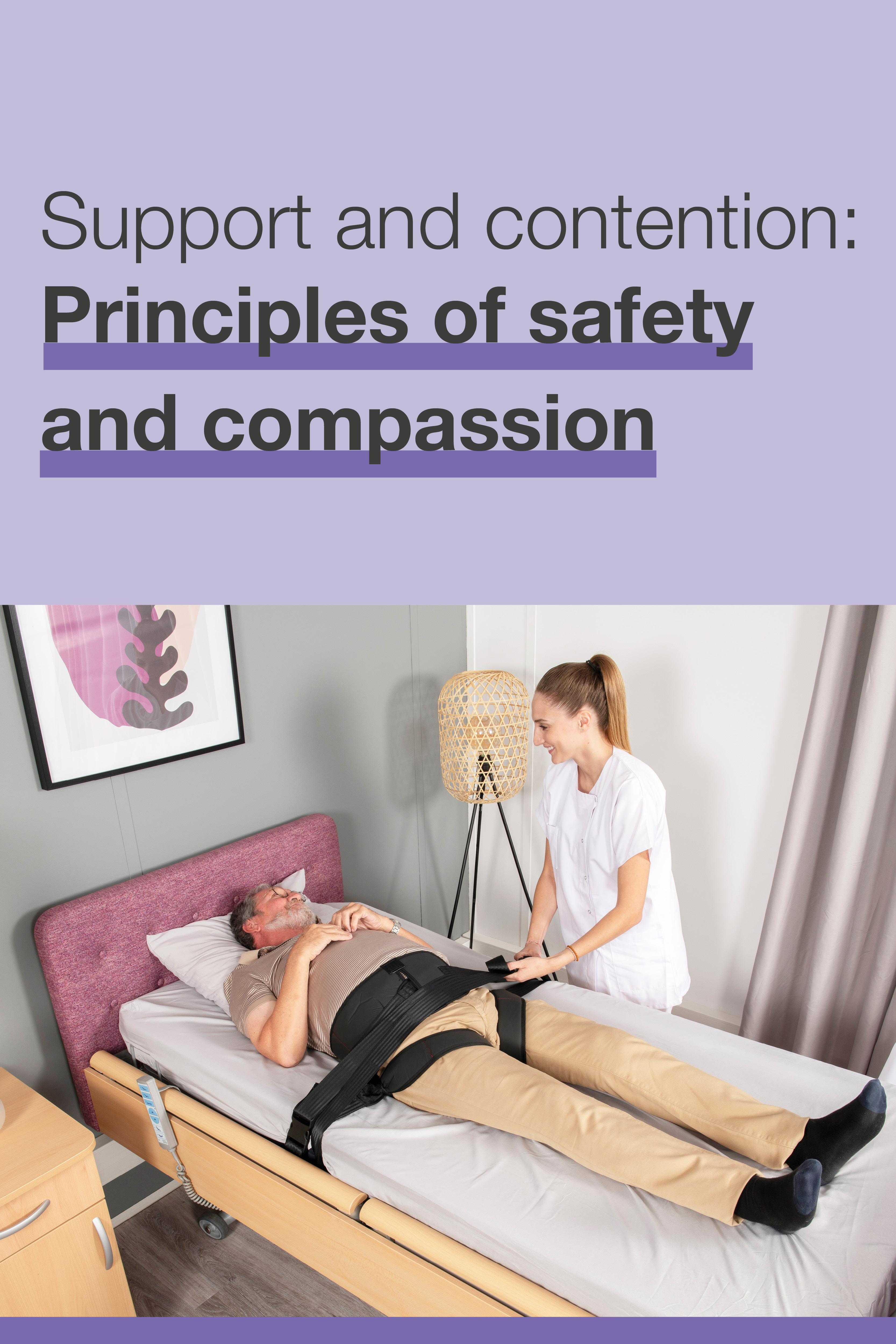
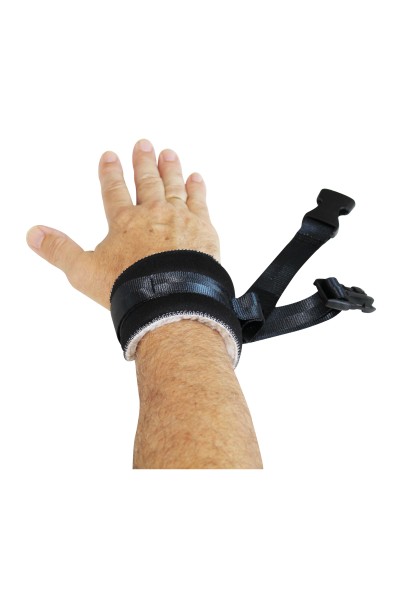
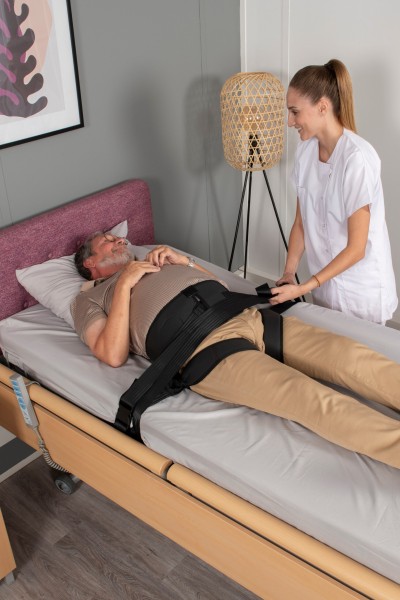
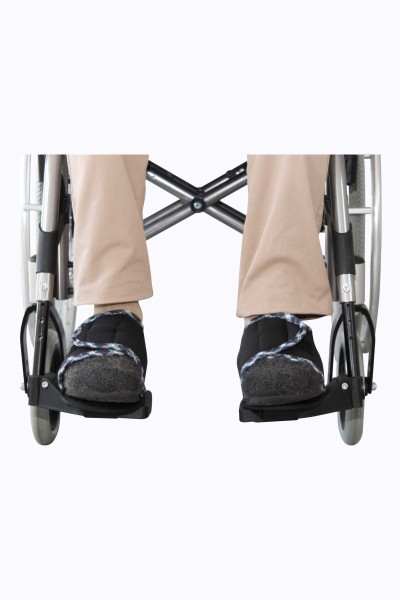
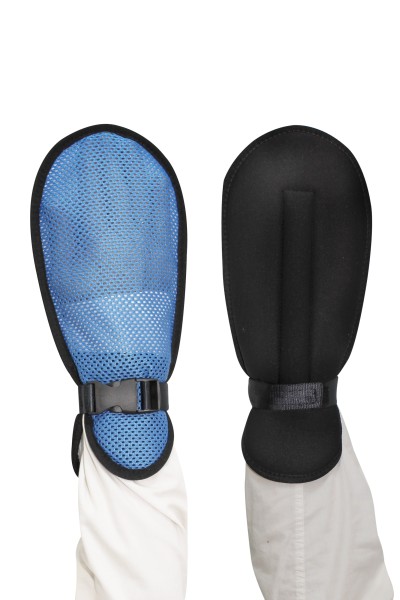
Physical restraint, on the other hand, is a measure of restricting patient movements, usually using devices to prevent potentially dangerous activity. Its aim is to prevent the patient from causing harm to himself or others.
Although sometimes necessary, there are many concerns about restraint. Health facilities must ensure that this practice is implemented within a strict and controlled framework. French legislation, for example, stipulates that restraint should be used only in exceptional situations and under very specific conditions. The patient or relatives must be informed of this decision and the justification for its use must be clearly stated in the medical record.
The ethics of practice requires that restraint be a last resort, after exploring all possible alternatives (drugs, behavioural therapies, psychological support, etc.). The procedure must be governed by a strict protocol, involving regular monitoring and continuous reassessment of the situation.
Good practices: when and how to use restraint
The use of physical restraint must be guided by a principle of proportionality and urgency. Each health facility must establish a rigorous protocol and train its teams in good practice. This includes:
- An ongoing risk assessment and a clear rationale for the decision to use restraint.
- The search for less intrusive therapeutic alternatives (drugs, distraction, psychological support).
- Respect for the dignity and rights of the patient.
- Limitation of the duration of the restraint, with a regular reassessment of the situation.
- Ongoing follow-up, with detailed observations, and transparent communication with families.
It is also crucial that care teams be trained not only in the use of restraint devices, but also in crisis management, in order to find non-violent and respectful solutions for individuals.
Communication with the patient is essential to explain the process and build a relationship of trust.
Conclusion: a framed practice
Maintenance and restraint in health facilities are complex and sensitive issues that require great vigilance, specialized skills and constant reflection. Although sometimes necessary, these tools must never be an end in themselves, but a means of ensuring safety while preserving the patient's dignity.
Health facilities have a key role in establishing rigorous and ethical protocols to ensure that these practices are properly managed in response to patient needs. Respect for human rights and ethical considerations must be at the heart of every decision regarding the maintenance or restraint in hospital settings.

 The best effect you will get if you remove text and put background image